
Understanding animal self-medication
Animals respond to internal physiological and emotional needs through meaningful interaction with their environment — including plants, minerals, foods, scents and materials. This capacity for self-medication and self-selection is observed across many species and contexts.
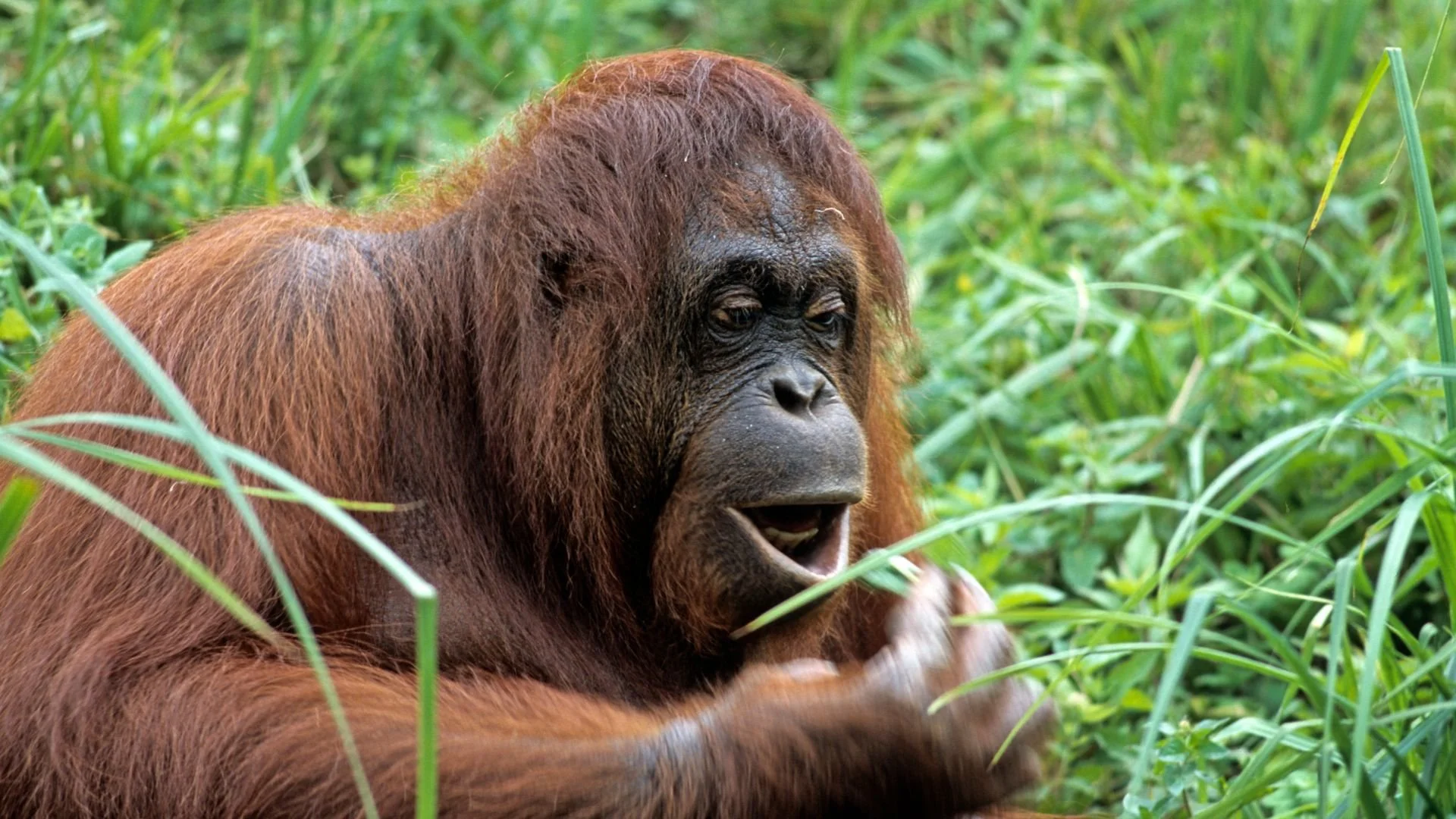
Zoopharmacognosy is the scientific term used to describe these behaviours.
In wild environments, animals engage freely with a wide range of options. In domestic settings, that freedom is often limited. As a result, humans may play a facilitative role — not by directing outcomes, but by offering appropriate options and observing how animals respond.
At its core, this work is not defined by human intervention, protocols, or prescriptions. It is defined by animal agency: the animal’s capacity to engage, refuse, repeat, or withdraw based on their internal state.
Ethical practice therefore requires careful observation, restraint, and respect for limits — particularly when working with animals whose choices are shaped by human-managed environments.
Learning in this space
The learning offered here focuses on understanding these processes thoughtfully and responsibly, without reducing them to techniques, protocols, or guaranteed outcomes.
This is an education-focused space exploring animal self-medication and self-selection through:
careful observation
scientific context
ethical restraint
Learning is structured to support people to think critically, observe more clearly, and make informed decisions in real-world contexts — rather than to follow instructions.

Learning pathways
Educational material is organised through species-specific pathways to keep learning grounded and relevant, while exploring shared principles that extend across species.
Planned and developing areas include:
Dogs — observation, choice, and environmental interaction in domestic settings
Cats — subtle self-selection, scent interaction, autonomy, and regulation
Horses — environmental engagement, choice, and species-specific needs
Poultry — natural behaviours, resilience, and environmental support
Additional species may be referenced where appropriate, always with respect for species-specific differences.

What to expect
Courses and resources are released gradually and are designed to:
prioritise clarity over complexity
reduce overwhelm rather than add to it
emphasise ethical restraint alongside practical understanding
Learning here is intended to support confidence, discernment, and responsibility — not dependency.
New material will continue to be added as this space develops.