
Understanding animals through their own choices
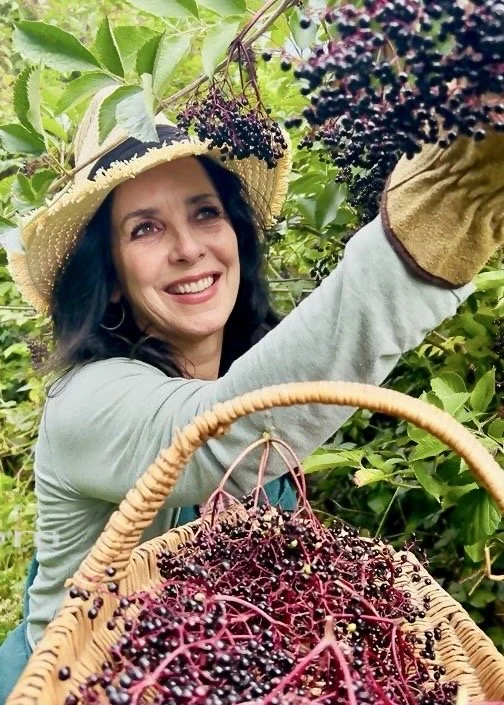
with clarity, ethics and respect
My work focuses on understanding how animals interact with their environments — including plants, minerals, foods, and instincts — not simply as behaviours to be managed, but as meaningful selections that reflect internal needs.
At the heart of this work is a simple but often overlooked principle:
Animals are not passive recipients of care.
They are active participants in their own regulation and wellbeing.
Our role is not to override that intelligence, but to learn how to recognise it — and to respond with restraint, skill, and integrity.
How this work began
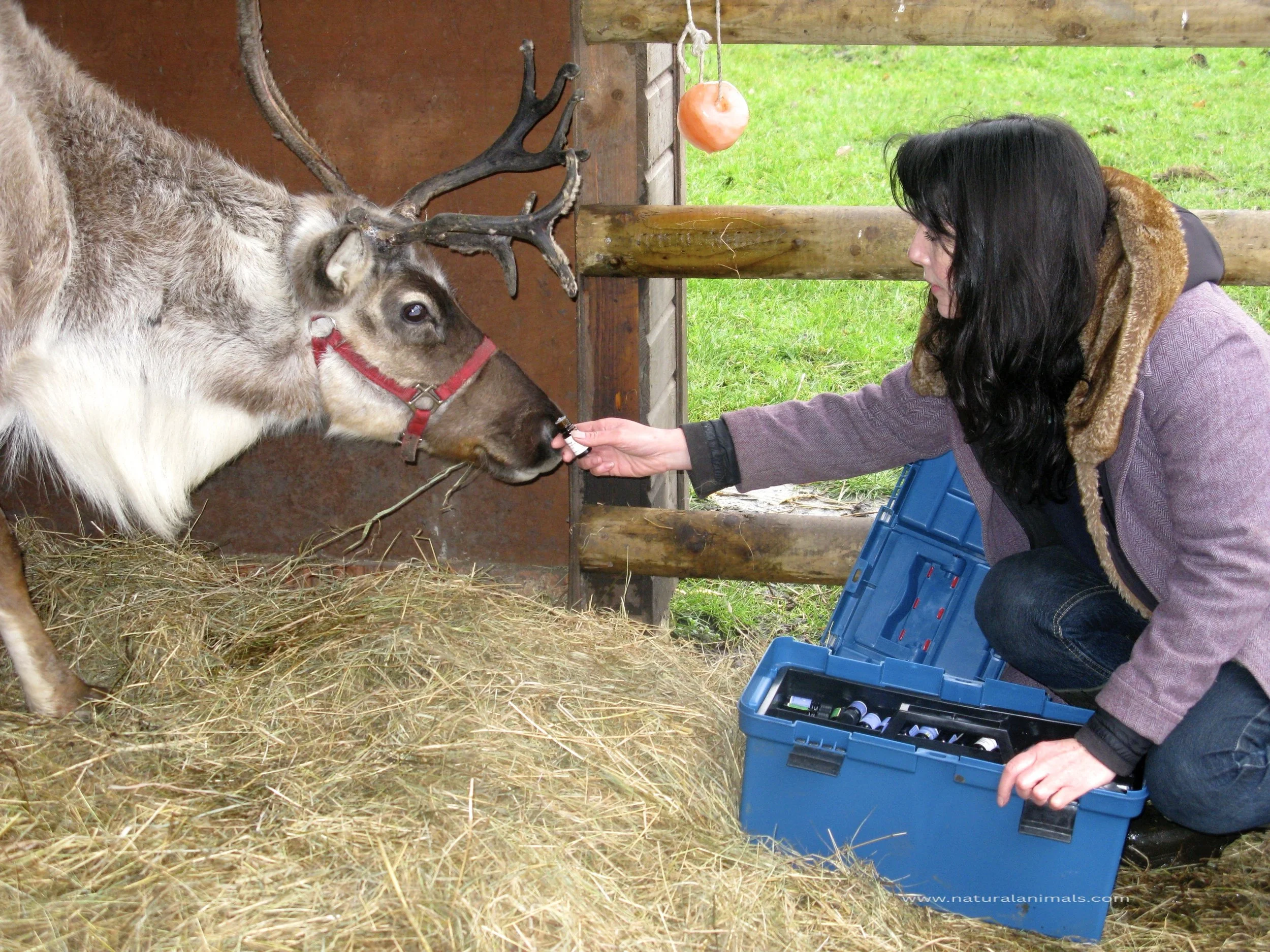
My interest in this field began many years before my formal training.
In the early 2000s, I was given a copy of Wild Health by Cindy Engel — one of the earliest and most influential introductions to zoopharmacognosy for a wider audience. The book challenged how I understood animal behaviour and wellbeing, and introduced a perspective that felt both intuitive and deeply respectful.
I never quite looked at animals in the same way again.
What stayed with me was not simply the idea that animals interact with plants or materials, but the deeper implication: that animals possess an innate wisdom and a dynamic relationship with their environment that we often underestimate.
That early spark gradually deepened into sustained study, long-term observation, and formal education. Across dogs, cats, horses, poultry, and other species, the same conclusion kept resurfacing: this work could not be reduced to recipes, shortcuts, or isolated techniques.
It required understanding.
From consultations to education
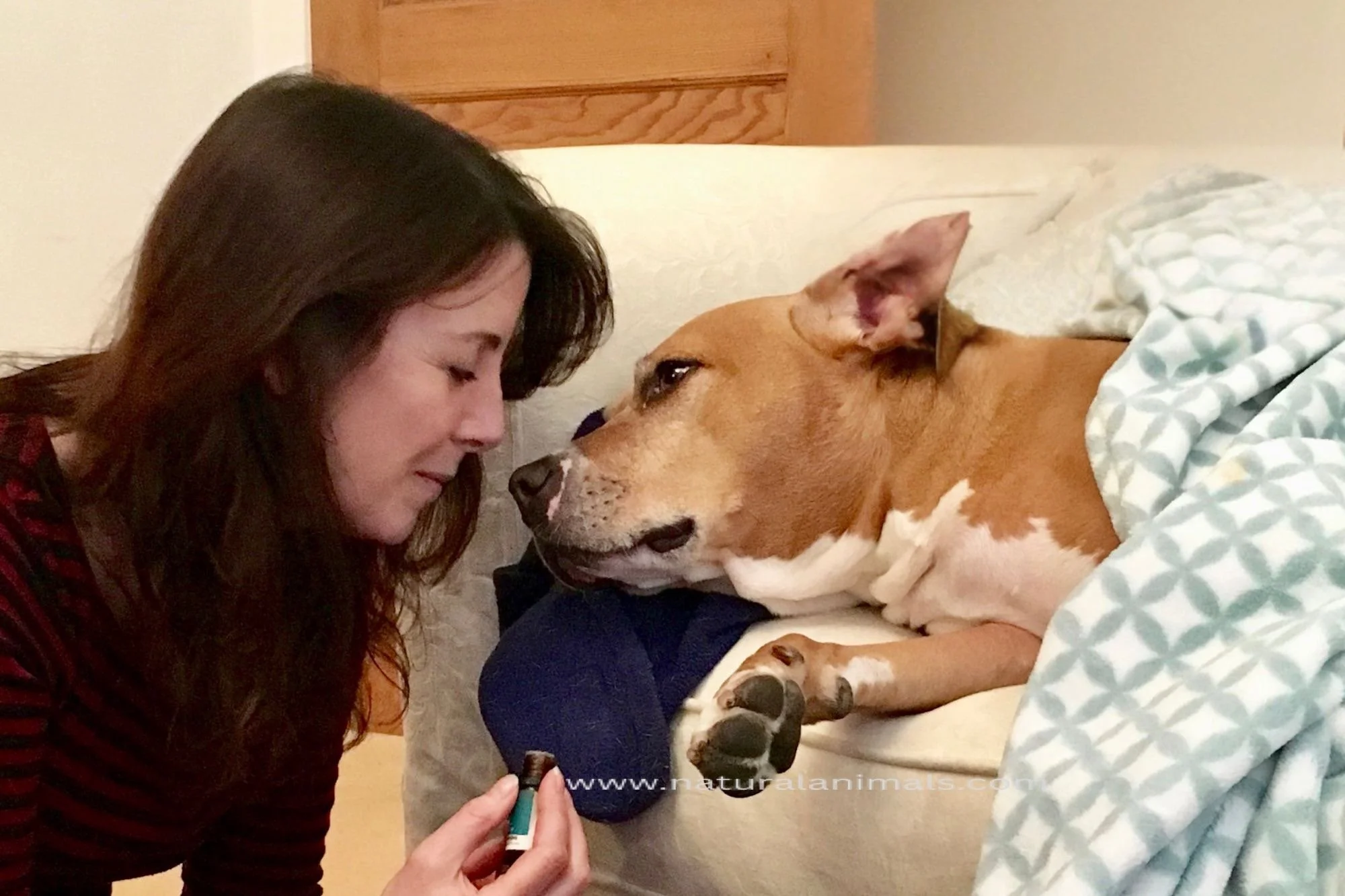
For many years, I expressed this work through one-to-one consultations, working closely with animals and their guardians.
That work was meaningful — and it revealed something important.
Across many situations, similar questions emerged. People were thoughtful, committed, and observant, yet often lacked a clear framework for understanding what they were seeing.
What became evident was not a lack of care, but a lack of accessible, well-grounded education.
Education offers something different.
By teaching underlying principles rather than responding only to individual cases, people gain the confidence to observe more clearly, think more independently, and make ethical decisions long after any single interaction has ended.
For that reason, my work is now focused on education rather than one-to-one casework.
What I teach
My teaching is shaped by three interrelated foundations.
Observation
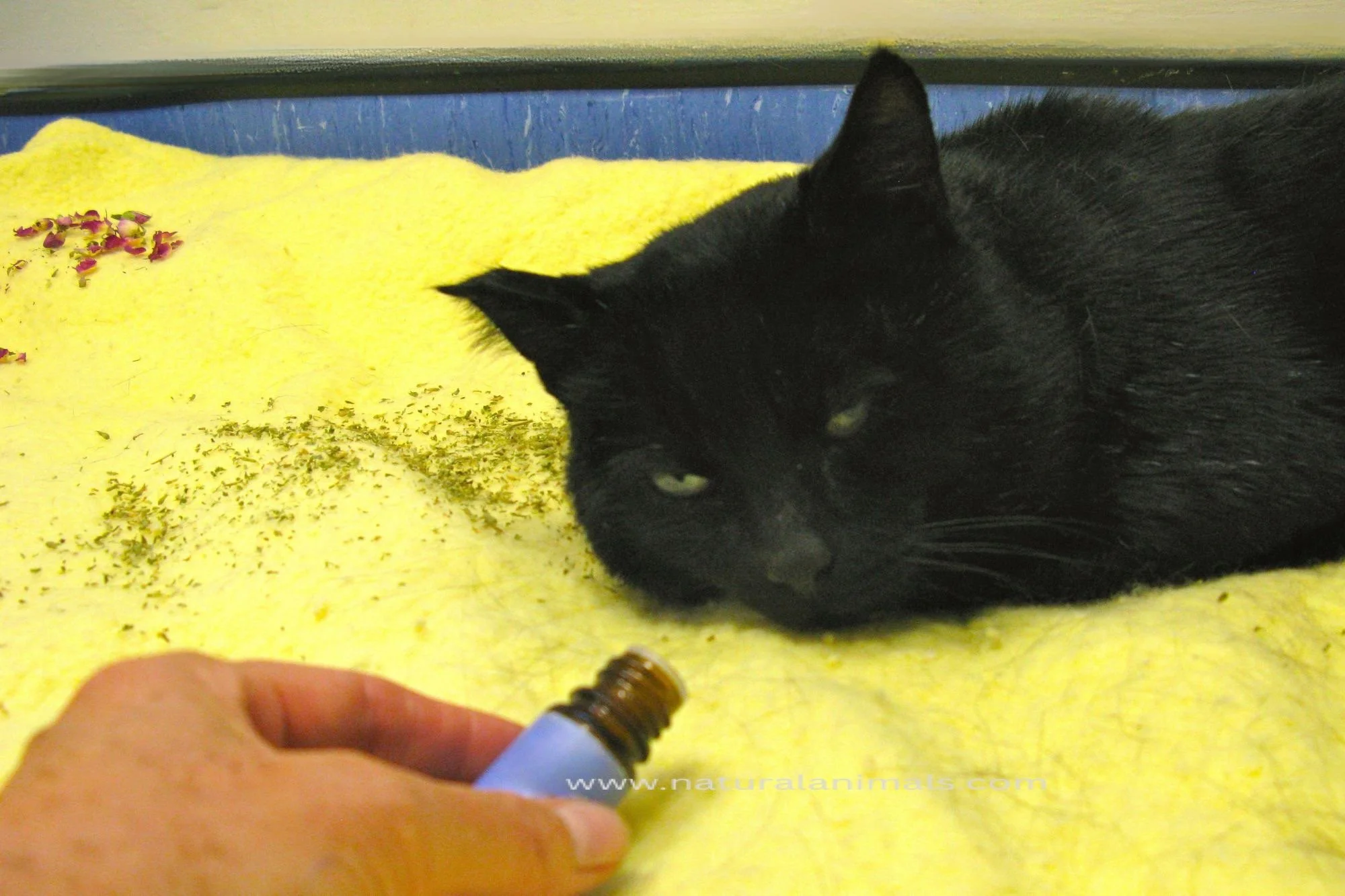
Animals communicate through choice, behaviour, and interaction with their environment. Learning to observe without projecting, rushing, or interfering is foundational.
While much of my teaching focuses on dogs, cats, horses, and poultry, the principles explored here extend more broadly — including to smaller companion animals such as rabbits and guinea pigs, and to any species capable of meaningful environmental interaction.
Understanding both shared patterns and species-specific differences matters.
Evidence
This work is grounded in scientific research and careful observation. I aim to make complex ideas understandable without oversimplifying them, and accessible without stripping away nuance.
Evidence here is treated as something to be interpreted thoughtfully — not selectively used to justify predetermined conclusions.
Ethics
Not every interaction or choice an animal makes requires interpretation, and not every situation calls for intervention. Animals self-regulate in many ways that do not require human involvement.
An important part of ethical practice is knowing when to step back — recognising that restraint can be as important as action, and that unnecessary intervention can disrupt rather than support an animal’s own regulatory processes.
Ethics in this work is not about doing more, but about knowing when less is appropriate.
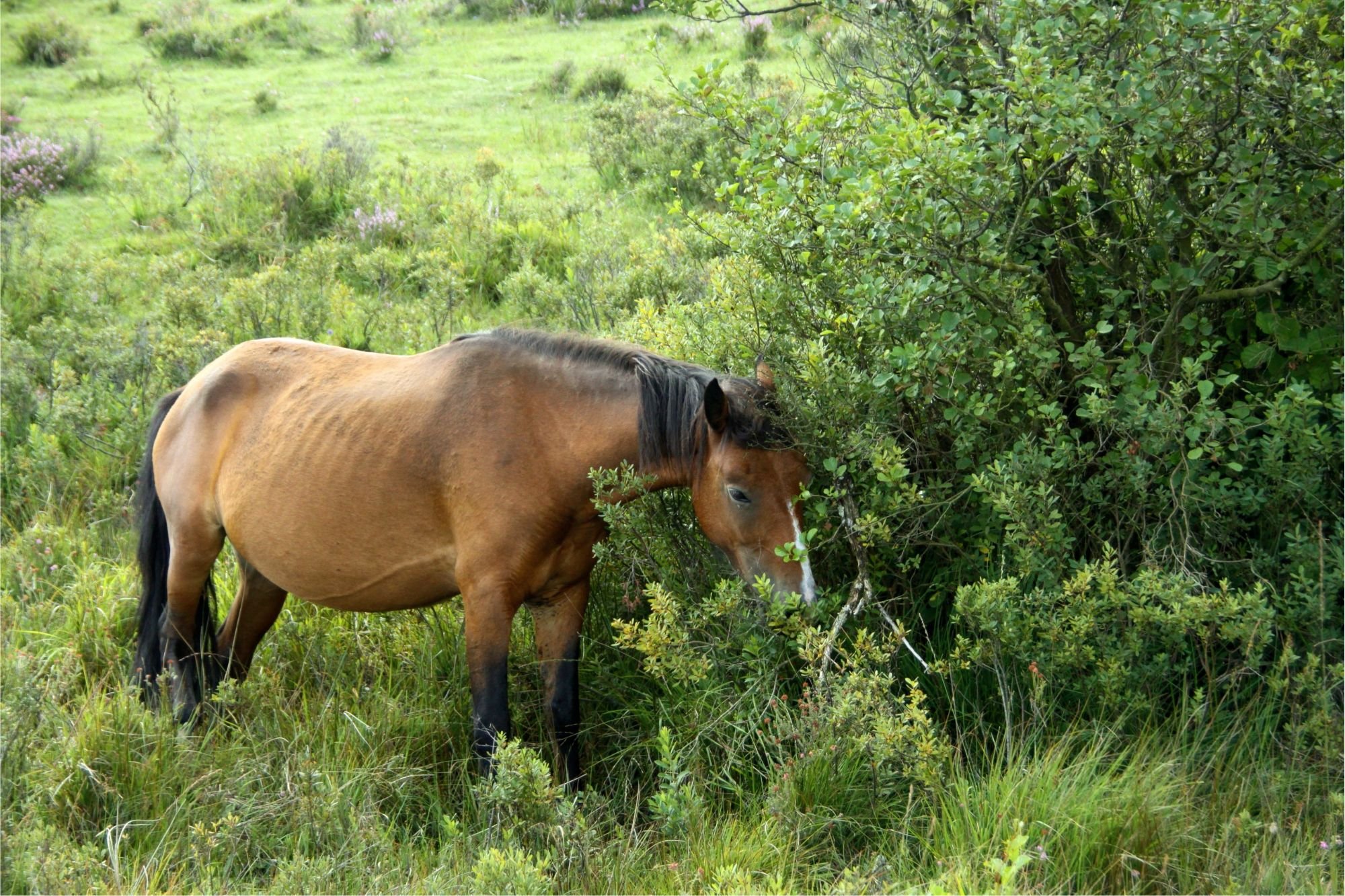
Who this work is for
This space is for people who want to understand rather than control.
It is suited to:
thoughtful animal guardians
professionals seeking deeper insight
people willing to sit with complexity
those who value clarity over certainty
If you are looking for quick fixes, prescriptive protocols, or guaranteed outcomes, this work may feel uncomfortable.
If you are willing to learn how to think rather than simply what to do, you are in the right place.
A note on training and grounding
My work is informed by formal training in applied zoopharmacognosy across multiple species, completed over a decade ago, alongside a prior degree in animal welfare and behaviour, ongoing engagement with scientific literature, long-term observation, and continual ethical reflection.
This is shared for clarity, not status.
Understanding matters more here than credentials — but grounding matters too.
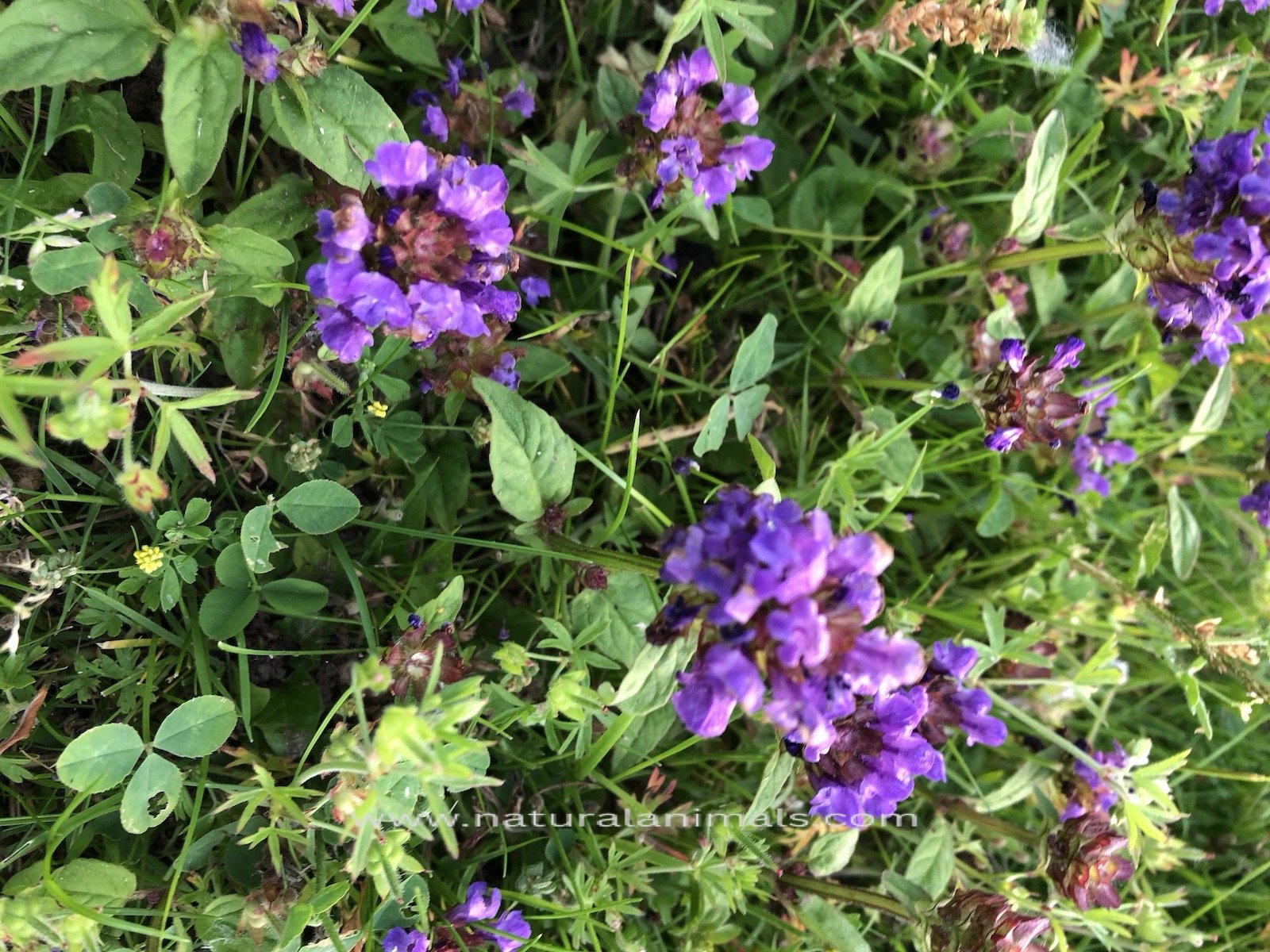
Animals are not problems to be solved.
They are complex, responsive beings who continuously interact with their environment in ways we are only beginning to fully understand.
When we slow down, observe carefully, and learn with humility, animals become our teachers as much as our companions.